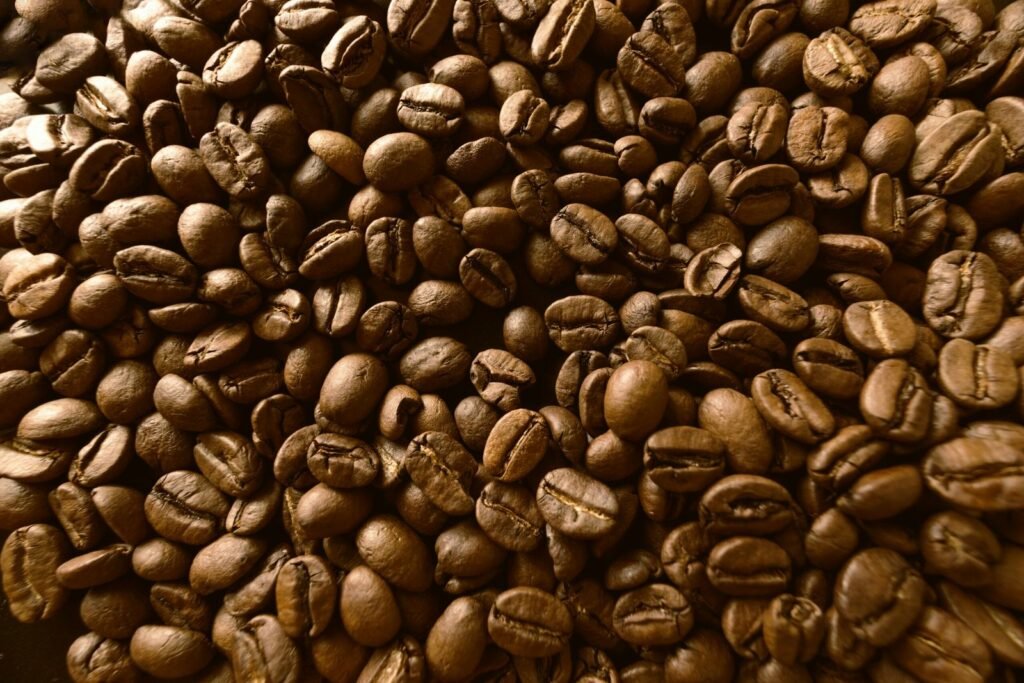

Nearly every cup of coffee in the world comes from one of two plant species: Coffea arabica or Coffea canephora, better known as robusta. The arabica vs robusta question isn’t just trivia — it explains why some coffee tastes bright and complex while other coffee tastes flat and bitter, and why price tags vary so widely between bags that otherwise look identical on a shelf.
This guide breaks down what actually separates the two, beyond the surface-level claim that “arabica is just better.”
Arabica vs Robusta: The Short Answer
Arabica accounts for roughly 60–70% of global coffee production and is generally prized for a smoother, more nuanced flavor with higher acidity and less bitterness. Robusta makes up most of the rest, and is known for a stronger, harsher flavor, higher caffeine content, and significantly easier cultivation.
Neither is objectively “better” in every sense — they’re suited to different goals, and understanding why makes the rest of this guide much more useful.
Where the Differences Come From
Growing Conditions
Arabica plants are finicky. They thrive at high altitude (roughly 2,000–6,500 feet), need stable temperatures, and are vulnerable to pests and disease. This makes arabica expensive and labor-intensive to farm — it demands the right climate and constant attention.
Robusta, true to its name, tolerates lower altitudes, hotter climates, and pest pressure far better. It produces higher yields per plant and costs less to grow, which is a large part of why it’s cheaper at the register.
Chemical Composition
Robusta contains roughly twice the caffeine of arabica — often cited around 2.2–2.7% versus arabica’s 1.2–1.5%. Caffeine itself carries a bitter taste, so robusta’s higher caffeine content is a direct contributor to its stronger, harsher flavor profile. Robusta also has more chlorogenic acid, which adds to that bitterness and gives it a more astringent finish.
Arabica has roughly 60% more lipids and almost double the sugar content of robusta, which is a major reason it tastes smoother and more complex — those compounds round out acidity and support the fruitier, more nuanced notes arabica is known for.
Flavor: What You’ll Actually Taste
Arabica tends toward bright acidity, and flavor notes that range from fruity and floral to chocolatey and nutty, depending on origin and roast. It’s the species behind almost every specialty, single-origin coffee you’ll see described with tasting notes.
Robusta tends toward a heavier, more bitter, sometimes rubbery or earthy flavor, with a thicker mouthfeel and a distinct crema when used in espresso. That’s not automatically a flaw — some espresso blends, particularly in Italian tradition, use a small percentage of robusta specifically for the crema and added body it contributes.
Caffeine: The Part Nobody’s Embarrassed to Care About
Flavor complexity aside, let’s be honest about something most coffee guides tiptoe around: the stimulating effect of caffeine is a real part of why people drink coffee, and there’s no reason to pretend otherwise. If you’re chasing a stronger jolt, robusta’s higher caffeine content is exactly why instant coffee and some budget blends lean on it — it delivers more per cup, flavor nuance aside. A true coffee lover can absolutely appreciate a delicate single-origin arabica and admit they enjoy the kick. The two aren’t in conflict.
Where You’ll Find Each One
- Specialty and single-origin coffee is almost always 100% arabica — it’s the species that rewards careful roasting and highlights origin character.
- Instant coffee and budget blends frequently use robusta, or a mix, because of its lower cost and stronger flavor at scale.
- Traditional Italian espresso blends often include a small percentage of robusta (sometimes 10–20%) specifically for crema and body, even in otherwise arabica-forward blends.
- Vietnamese coffee, one of the world’s largest robusta producers, showcases the bean at its best — typically brewed strong and paired with condensed milk to balance the bitterness.
Robusta isn’t “bad” coffee — it’s coffee optimized for a different set of priorities than arabica. Judging it by arabica’s standards misses what it actually does well.
How to Tell Which One You’re Buying
Most specialty bags will say “100% arabica” directly on the label, since it’s a selling point. If a bag doesn’t specify, or lists “coffee blend” without naming the species, it’s worth assuming some robusta is present — particularly in budget or mass-market brands. According to the International Coffee Organization, production and trade data consistently show robusta concentrated in lower-price market segments, which lines up with what you’ll typically find on the shelf.
The Takeaway
Arabica vs robusta isn’t really a competition — it’s two different plants bred by circumstance and demand into two different roles. Arabica leads on flavor complexity and dominates specialty coffee; robusta leads on yield, cost, and raw caffeine content. Knowing which one is in your cup explains a lot about why it tastes the way it does, and makes it easier to choose the right coffee for what you actually want from it.