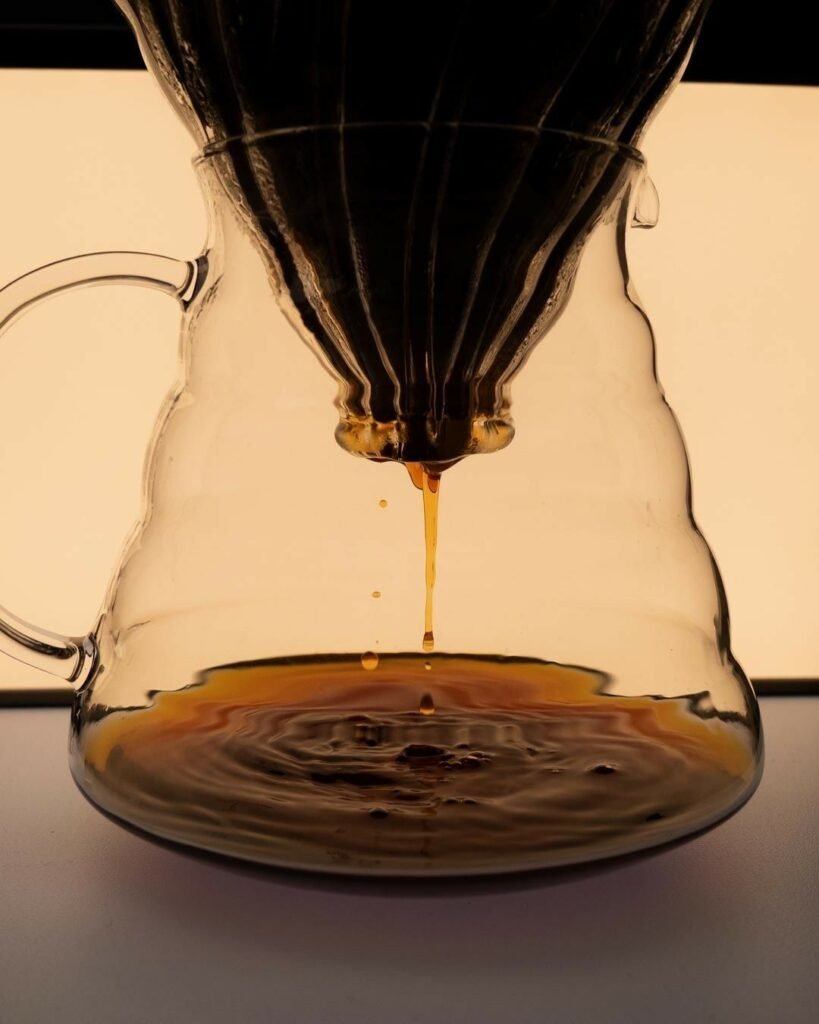

Coffee extraction is what every brewing decision — grind size, water, ratio, time — is ultimately designed to control. It’s the process of pulling flavor compounds out of the grounds and into the water, and it’s the reason two cups made with identical beans can taste completely different. Understanding what’s actually happening during extraction makes every other guide on this site easier to apply, because it explains why the numbers matter, not just what they are.
What Coffee Extraction Actually Is
When hot water touches ground coffee, it dissolves soluble compounds out of the bean — acids, sugars, and bitter compounds, roughly in that order. Extraction is simply the percentage of the coffee grounds’ soluble mass that ends up in your cup.
Specialty coffee research generally places ideal extraction between 18% and 22% of the coffee’s total soluble solids. Below that range, too little has dissolved and the cup tastes sour or thin. Above it, too much has dissolved, including the bitter compounds that come out last, and the cup tastes harsh or ashy.
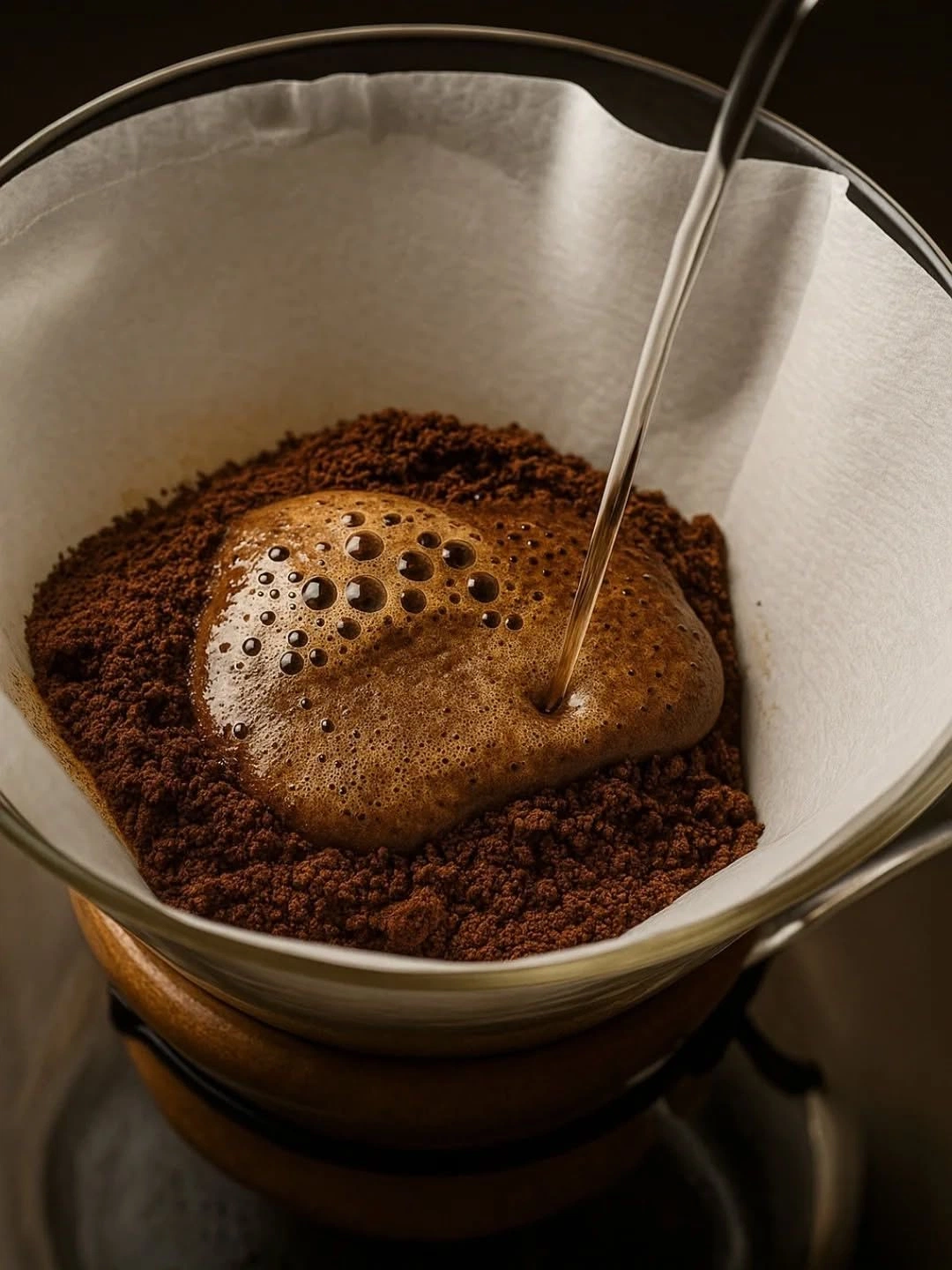
The Order Flavors Extract In
Extraction doesn’t pull everything out at once — it happens in a rough sequence, and that sequence explains most brewing mistakes.
First: Acids and Fruit Notes
These dissolve fastest. A brew stopped too early tastes sharp, sour, or overly acidic because it captured this stage and little else.
Middle: Sugars and Sweetness
This is the stage most brewing methods are trying to land in — balanced sweetness alongside the acidity, which is what produces a “complete” tasting cup.
Last: Bitter Compounds
These take the longest to dissolve. Over-extraction happens when brewing continues past the sweet stage and starts pulling in bitter compounds in excess, which is why over-brewed coffee tastes harsh rather than simply “strong.”
A cup that tastes bitter isn’t necessarily strong — it’s usually over-extracted. Strength and extraction are two different variables, and confusing them is the most common mistake in home brewing.
The Four Variables That Control Extraction
Every brewing decision is really a decision about one of these four levers.
Grind Size
Finer grounds expose more surface area, speeding up extraction. This is why methods with short contact time (espresso) need fine grinds, and methods with long contact time (French press, cold brew) need coarse ones — matching grind to time keeps extraction in range. The full breakdown lives in our grind size guide.
Water Temperature
Hotter water extracts faster. Water below 195°F struggles to dissolve enough soluble material, leading to under-extraction, while water at a rolling boil can extract too aggressively and scorch the grounds. More detail on this is covered in our guide to water for coffee.
Brew Time
More contact time means more extraction, which is why grind size and time are linked — a coarser grind needs more time to reach the same extraction level a finer grind reaches quickly.
Coffee-to-Water Ratio
This doesn’t change the percentage extracted as directly as the other three, but it changes the strength of the final cup — how concentrated the extracted flavor is per ounce of water. Ratio and extraction are related but not identical, which is the source of a lot of confusion in brewing guides that use the terms interchangeably.
Under-Extraction vs. Over-Extraction: How to Taste the Difference
- Under-extracted (too little dissolved): sour, sharp, thin, sometimes salty. Fix by grinding finer, brewing longer, or using hotter water.
- Over-extracted (too much dissolved): bitter, harsh, dry, sometimes ashy. Fix by grinding coarser, shortening brew time, or lowering water temperature slightly.
According to the Specialty Coffee Association’s brewing standards, extraction and strength are measured and controlled independently in professional cupping, which is part of why baristas can diagnose a bad cup so quickly — they’re isolating one variable at a time instead of guessing at all four together.
Why This Matters for Every Method on This Site
Understanding extraction is what turns a recipe into something you can actually troubleshoot. If a French press recipe on this site doesn’t turn out the way it’s described, the fix almost always traces back to one of the four variables above — not the beans, and not bad luck.
The Takeaway
Coffee extraction is the mechanism behind every brewing rule you’ve ever followed. Once you understand that grind, water, time, and ratio are just four ways of tuning the same process, adjusting a recipe to your taste stops being guesswork and starts being a straightforward, repeatable fix.